Walkability Is More Than a Sidewalk
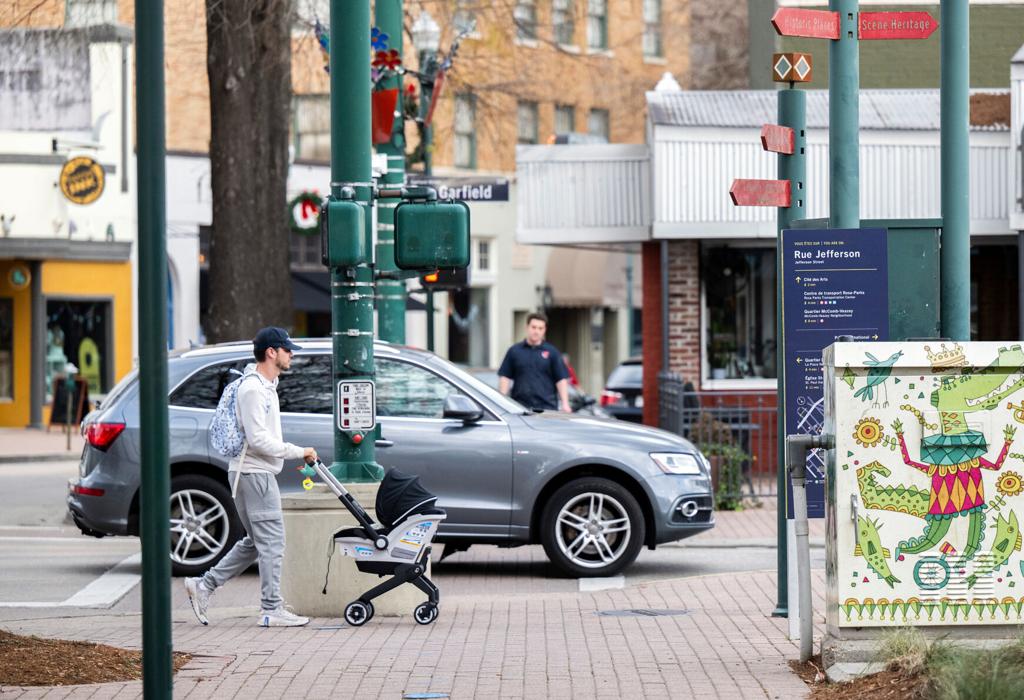
Walkability is a term often coined like an achievement, something a city either has or does not. In reality, it is a process. And when done well, it requires patience, listening, and thoughtful design.

Walkability is a term often coined like an achievement, something a city either has or does not. In reality, it is a process. And when done well, it requires patience, listening, and thoughtful design.

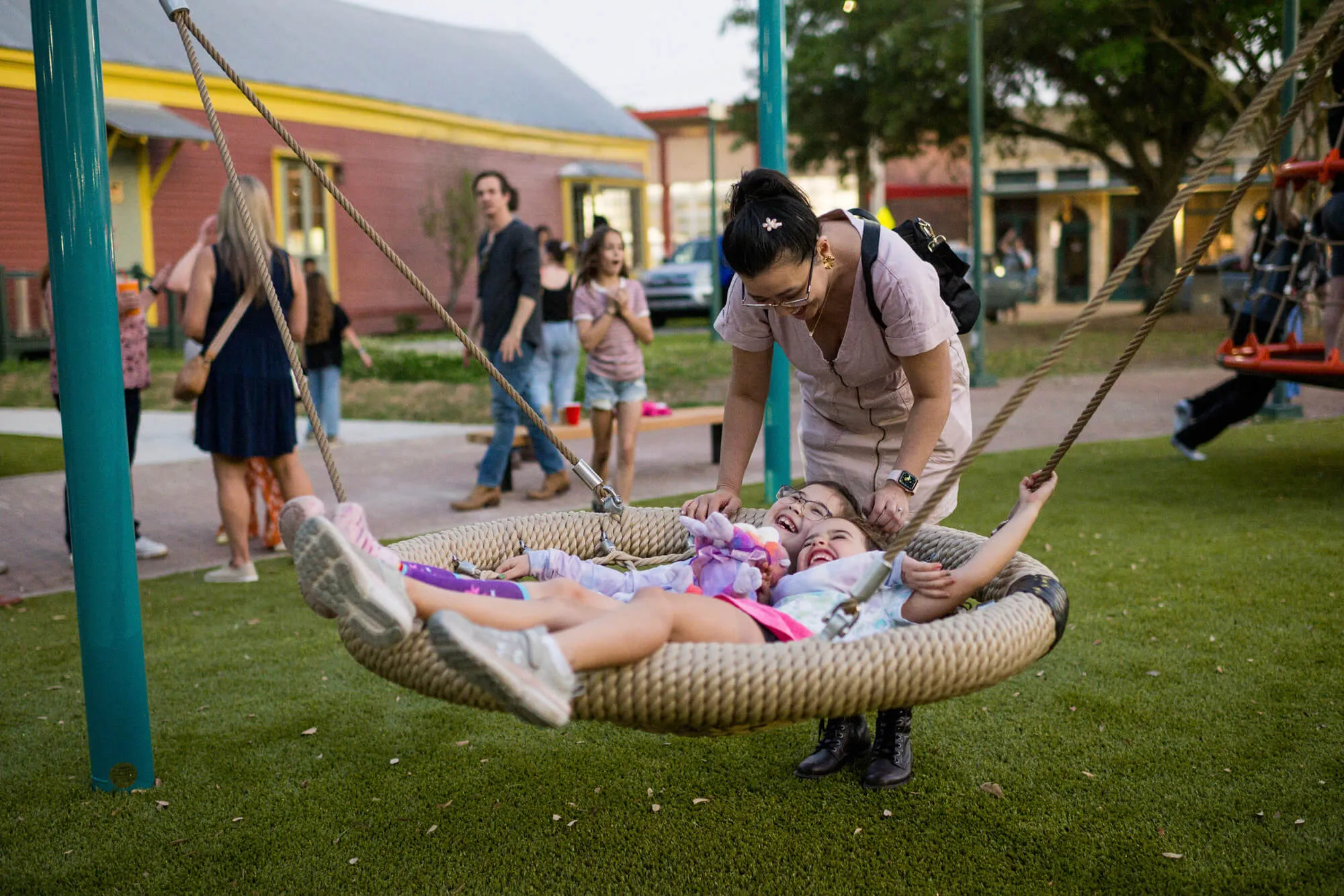
When I think about what makes a city feel like home, it’s rarely the things inside my four walls. It’s the places in between—the spaces where we linger long enough to bump into a neighbor, discover a new favorite, or feel connected to something bigger than ourselves.

Downtown Lafayette is entering a season of visible, tangible momentum — and it’s arriving in ways both bold and quietly transformative.

Data compiled on visits to downtown Lafayette last year indicates more people came during daytime hours and less for bar and nightlife activity.
.jpg)
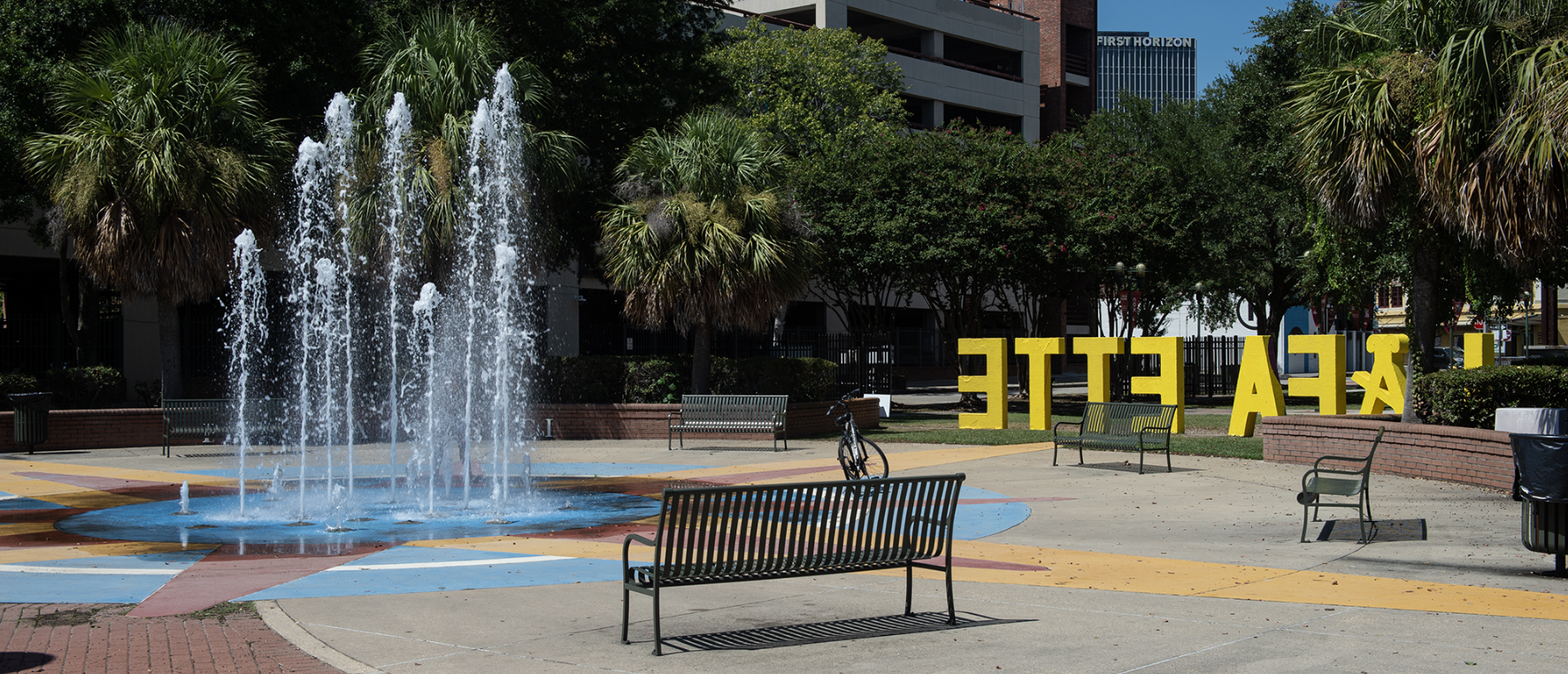
Improvements are underway at downtown Lafayette's Parc International, which serves as a main venue for Festival International, the city's largest festival that draws thousands every April.

Lafayette is full of coffee spots that invite you to slow down, savor a drink, and enjoy a little company.

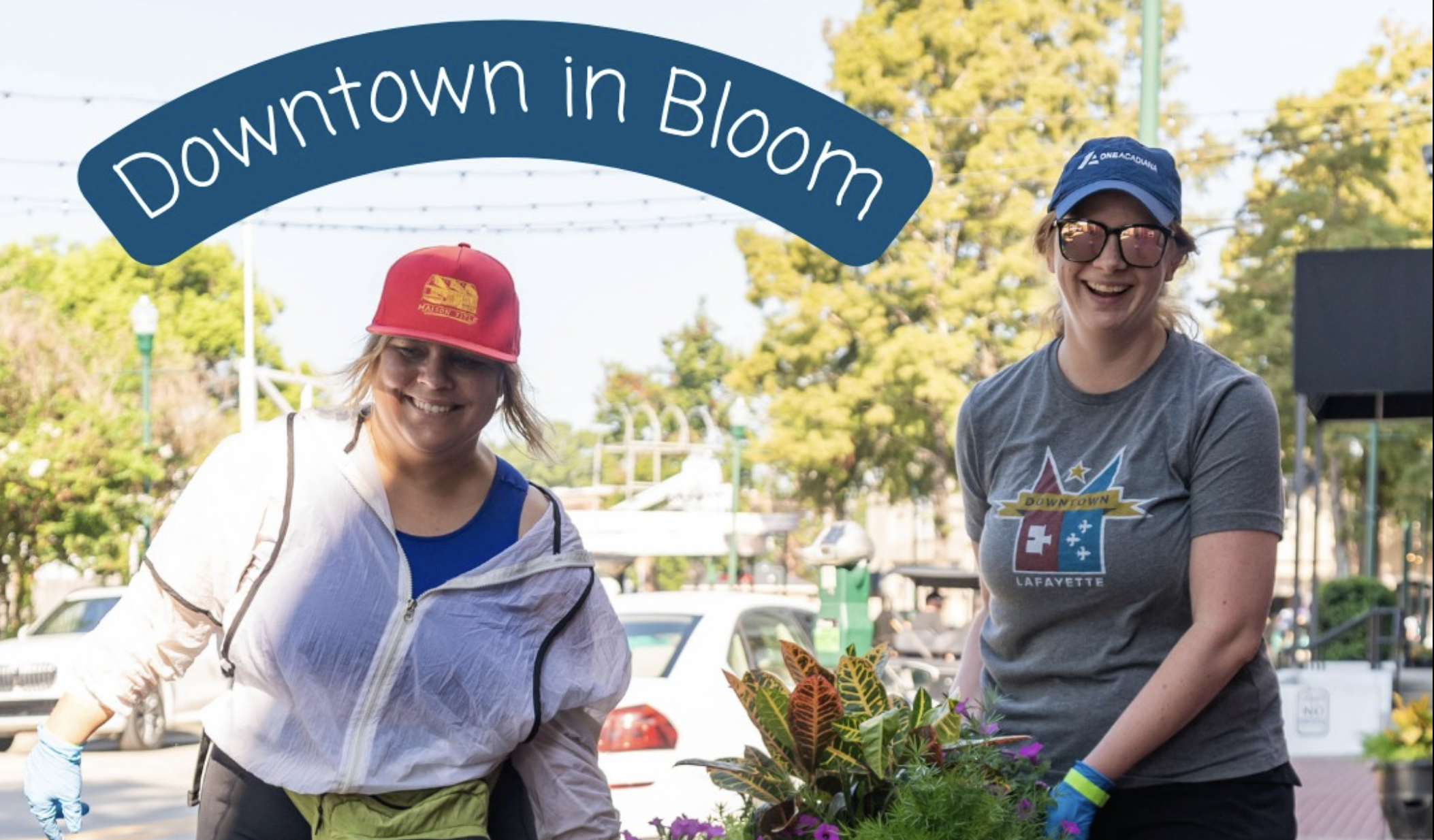
Downtown Lafayette looked — and smelled — a little fresher Saturday morning as volunteers gathered for 'Downtown in Bloom,' a local beautification event.

Jefferson Street in downtown Lafayette made the list of America’s top main streets for fall shopping in a survey conducted by one financial blog.

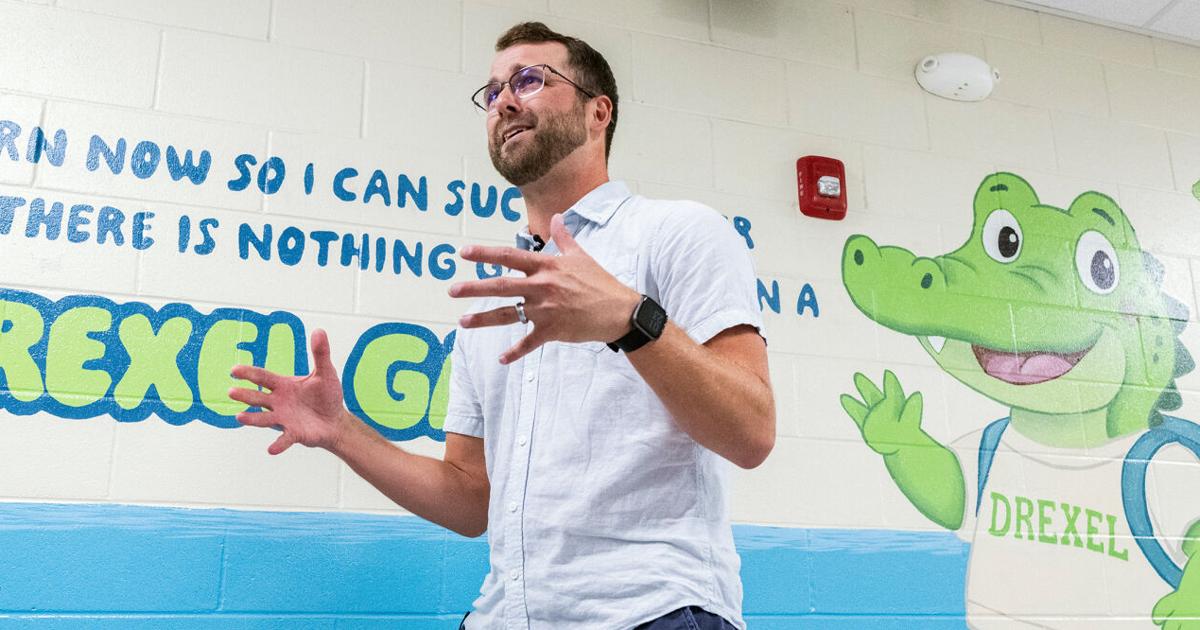
The Children's Museum of Acadiana in downtown Lafayette will get a major facelift from muralist Dirk Guidry.

Since the park opened in 2024, residents who use it have been out of luck for a bathroom if surrounding businesses are closed.

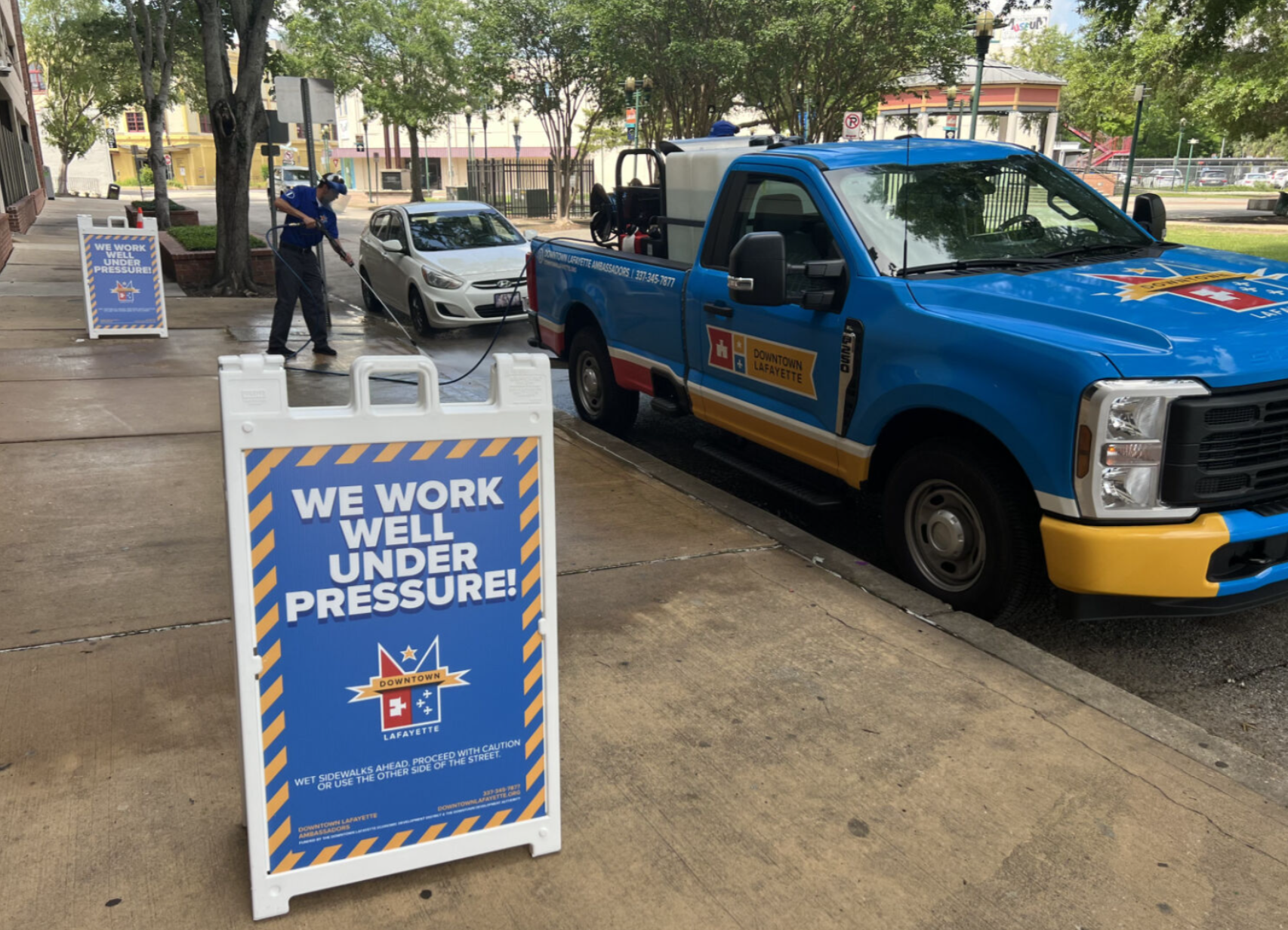
New Downtown Ambassador Program by Block By Block begins their work the week of Festival International, helping to keep Downtown Clean, Fun, and Vibrant.

In 1815, a travelling geographer-biographer named William Darby wrote about Lafayette, then called the Attakapas County. At that time there were fewer than two people per square mile living here, in an area Darby described as consisted of two vast prairies on either side of the Vermilion River. It was inhabited by Atakapa-Ishak and Canneci (Lipan Apache) Tribes and the competing Choctaw Tribes. Also from surrounding areas were the Chitimacha and Opelousa Tribes. Between 1765 and 1785 the first great wave of immigration occurred in South Louisiana as Acadian exiles settled the area, and they brought with them the Roman Catholic religion. The influence of the Church served to offer the first geographical organization to this region, the center of which was Saint Martin de Tours Catholic Church located in present-day Saint Martinville.