Walkability Is More Than a Sidewalk
Walkability is a term often coined like an achievement, something a city either has or does not. In reality, it is a process.
And when done well, it requires patience, listening, and thoughtful design.
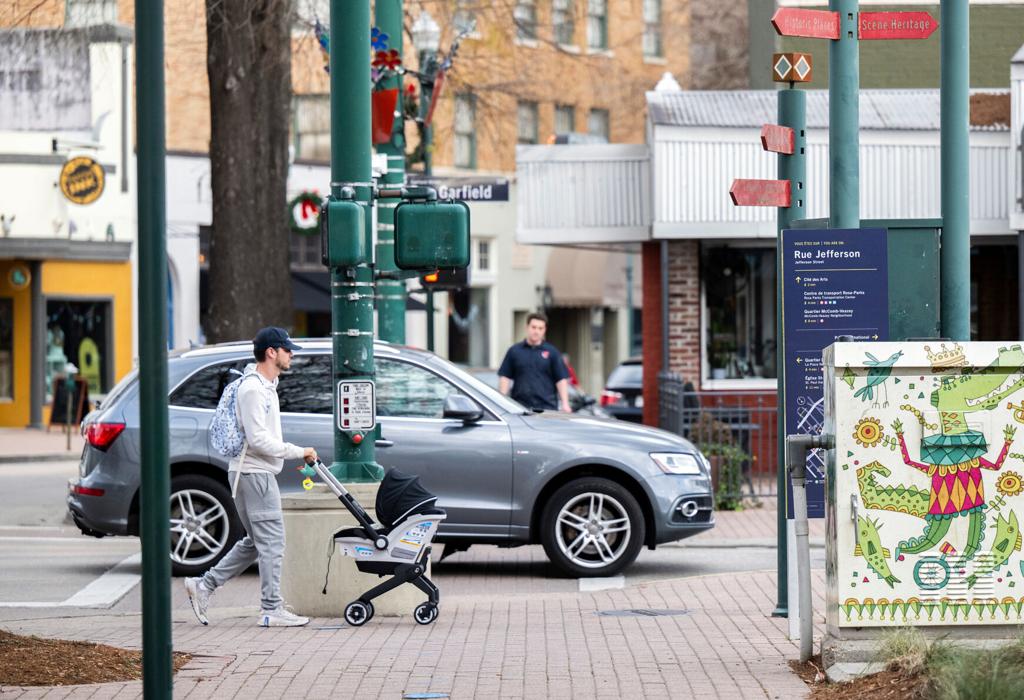
A truly walkable downtown is not just about adding sidewalks or striping crossings. It is about creating space that works for everyone. Parents pushing strollers. Neighbors using wheelchairs or mobility devices. Older residents who move a little more slowly. Delivery drivers. Festival crowds. People simply wandering without a destination in mind.
That level of walkability does not happen quickly, and it should not.
These improvements deserve careful consideration, because once concrete is poured and curbs are set, the change lasts for decades. Decisions made today quietly shape who feels welcomed, who feels safe, and who will feel left out in the future.
Just as important as design is collaboration. The most successful walkable spaces are shaped when organizations, local government, business owners, accessibility advocates, and community voices are all at the table. Each group sees the street from a different perspective, and those perspectives matter.
When planning happens in silos, gaps appear. When collaboration leads, better questions are asked, more options are considered, and the result is a downtown that reflects those who come here.
Right now, Lafayette, like many cities, is in a season of making improvements. Progress is visible, and change is happening. But walkability is an area where the how matters just as much as the why.
The most successful downtowns leave room, literally and figuratively, for flexibility. Wide, open paths. Clear sightlines. Thoughtful transitions between street, sidewalk, and public space. Design that anticipates real life, not just renderings.
Walkability is not about speed.
It is about intention.
If we want a downtown that works not just for today’s pedestrians, but for future families, aging residents, visitors, and small businesses, then it is worth slowing down, collaborating more, and asking better questions now.
Because when walkability is done right, it becomes invisible. It simply feels natural to be there, and that is the kind of progress that lasts.
JoElle Judice
Downtown Lafayette


.jpg)